[geot_dropdown regions="" flags="yes"]

Exploring Herbal Smoking Blends: A Natural Alternative to Tobacco

As the world shifts towards holistic wellness and natural remedies, herbal smoking blends have surged in popularity.

These blends, often marketed as tobacco alternatives, promise a smoother experience and a connection to ancient practices. But what are herbal smoking blends, and how do they compare to traditional tobacco in terms of flavor, harshness, and accessibility? Let’s break it down.

What Are Herbal Smoking Blends?

Herbal smoking blends are mixtures of dried flowers, herbs, and other plant materials. They can be smoked on their own or mixed with tobacco. Many blends claim to offer relaxing, stimulating, or soothing effects, often without the addictive properties of nicotine.

Common Ingredients in Herbal Blends

Some of the most popular herbs used in smoking blends include:
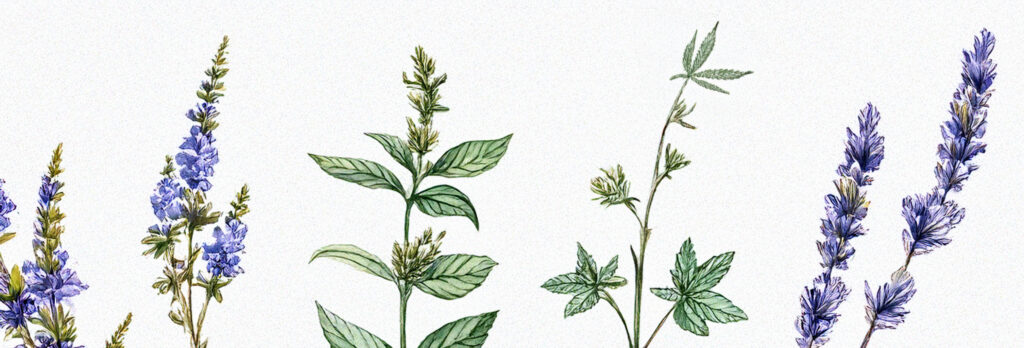
  • Mullein – Known for its lung-supporting properties, mullein creates a light, smooth smoke.
  • Damiana – Provides a mildly relaxing effect and has a sweet, aromatic flavor.
  • Mugwort – Offers a slightly bitter taste and is believed to promote vivid dreams.
  • Lavender – Adds a calming floral note and is known for its relaxation properties.
  • Peppermint – Gives a refreshing, cooling sensation that soothes the throat.
  • Rose petals – Create a luxurious, fragrant smoke with mild relaxation benefits.
  • Marshmallow – Produces a smooth, mild smoke that helps soothe the throat and lungs.

Pros of Herbal Smoking Blends

  • Nicotine-Free: Most herbal blends do not contain nicotine, reducing the risk of addiction.
  • Customizable: Blends can be tailored to individual preferences by mixing different herbs.
  • Natural and Organic: Many brands offer organic, pesticide-free herbs.
  • Aromatherapy Benefits: Certain herbs offer aromatic qualities that enhance relaxation and mental clarity.

Cons of Herbal Smoking Blends

  • Harshness: Some herbs, like mugwort or damiana, can produce a harsher smoke than tobacco, especially for beginners.
  • Availability: High-quality, organic herbs may not be readily available in local stores.
  • Cost: Premium blends can be expensive, sometimes matching or exceeding the price of quality tobacco.
  • Limited Research: While generally considered safe, the long-term effects of smoking certain herbs are not well studied.

How Do They Feel on the Throat?

The experience varies depending on the blend. Mullein and peppermint are generally smooth, while mugwort and damiana may cause throat irritation if smoked excessively. Mixing harsh herbs with milder options like rose petals or marshmallow can create a more pleasant experience.

Availability and Pricing

Herbal blends can be found in health stores, online retailers, and specialty smoke shops. Prices vary widely:

  • Basic blends: $8-$15 per ounce.
  • Premium organic blends:/b> $20-$40 per ounce.
  • DIY bulk herbs:/b> Individual herbs cost around $5-$10 per ounce, allowing for custom mixes.

Final Thoughts

Herbal smoking blends offer a unique, nicotine-free alternative to traditional smoking. While they may not suit everyone, their natural properties and customizable nature make them an intriguing option for those exploring non-tobacco smoking experiences. As with any practice, moderation and mindfulness are key.

Share this post on your socials.

Explore other articles

Where are you
viewing MUZA from?

Where are you viewing MUZA from?

[pi_shipping_calculator]