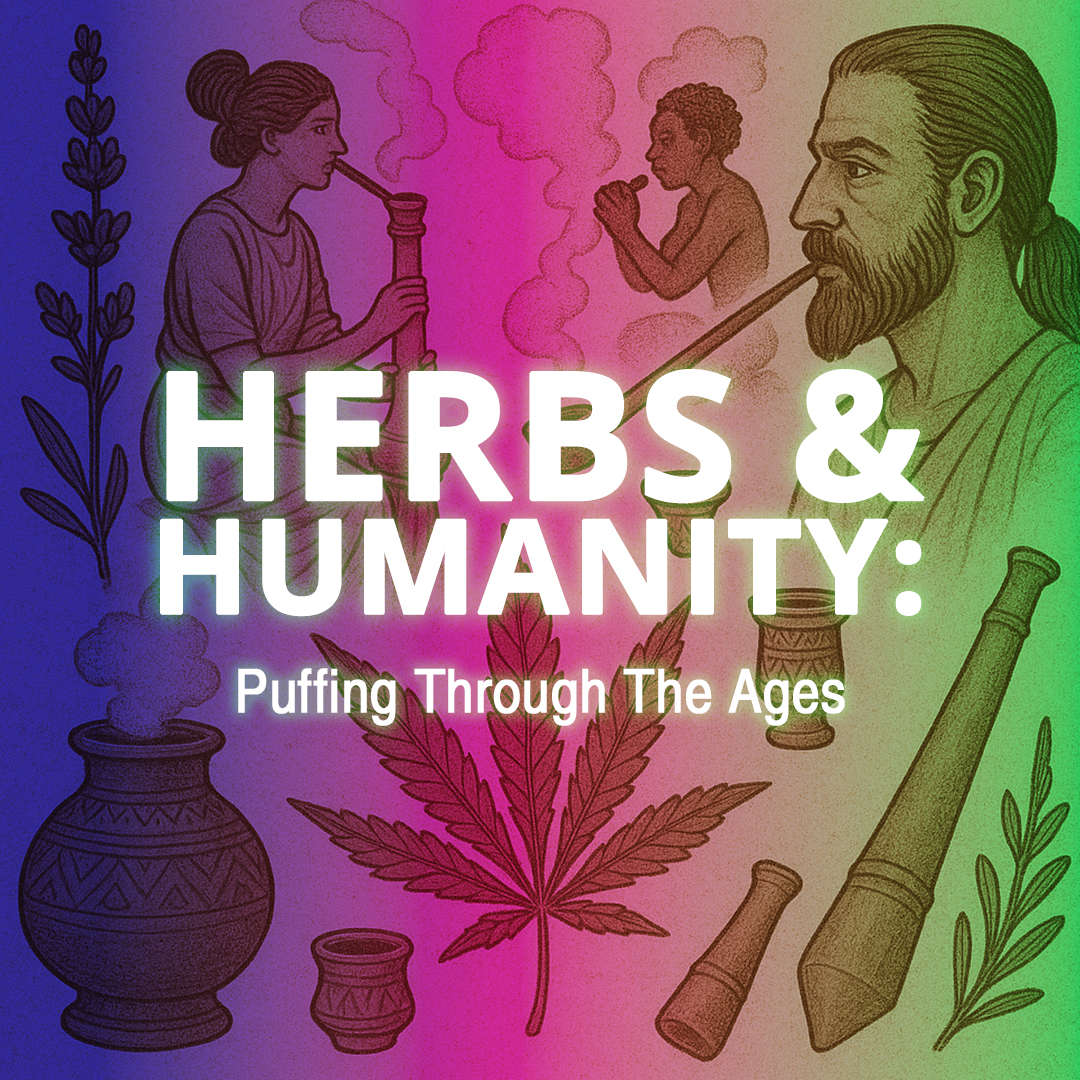
Smoking herbs has been an integral part of human culture for thousands of years. The oldest known evidence of this practice dates back to around 5000 BCE, with archaeological discoveries revealing that ancient civilizations used pipes and other smoking instruments to burn and inhale various plants. This early use of herbs often carried spiritual, medicinal, and social significance.

One of the earliest concrete pieces of evidence comes from the Andes Mountains in South America, where ancient pipes containing traces of burnt plant material were discovered. Researchers determined that indigenous peoples smoked local plants during religious ceremonies or healing rituals. The pipes, often crafted from stone or clay, were intricately designed and passed down through generations as sacred objects. Additionally, in the Americas, artifacts from the Hopewell culture (circa 100 BCE – 400 CE) in what is now Ohio, USA, reveal tubular pipes with residue of herbs such as kinnikinnick. The Hopewell people used these pipes in communal rituals, where smoke was believed to act as a bridge between the physical and spiritual realms.
In Africa, evidence of cannabis use dates back to around 3000 BCE, with burnt seeds found in ancient burial sites. African cultures frequently used clay and ceramic pipes, often adorned with carvings that reflected local traditions. In Ethiopia, hollowed-out gourds and early forms of water pipes were employed to cool the smoke, making the experience smoother and more pleasant. Similarly, archaeological digs in Central Asia uncovered remnants of cannabis and other plants used by the Scythians, a nomadic people known to have used herb-filled golden bongs as early as 450 BCE. The Scythians’ elaborate bongs, crafted from precious metals, were likely used during ceremonies to induce trance-like states.
Herbal smoking was not merely recreational but deeply entwined with the spiritual and cultural lives of ancient people. In many societies, smoke was believed to carry prayers to the divine or purify spaces. Shamans and healers would often burn herbs to induce visions or cleanse the body and mind.
In China, around 2000 BCE, medicinal smoking blends were recorded, with herbs like mulberry bark and chrysanthemum used to treat respiratory ailments. The Chinese often employed long pipes made from bamboo or metal, which allowed for a slower, meditative smoking experience. Similarly, Ayurvedic texts from India reference the smoking of herbs such as cannabis and other botanicals to promote physical and spiritual well-being. In India, chillums—straight, conical pipes made from clay—were widely used in religious ceremonies dedicated to Lord Shiva, symbolizing divine connection and enlightenment.
The earliest smoking tools varied by region and culture. Some of the oldest methods included:
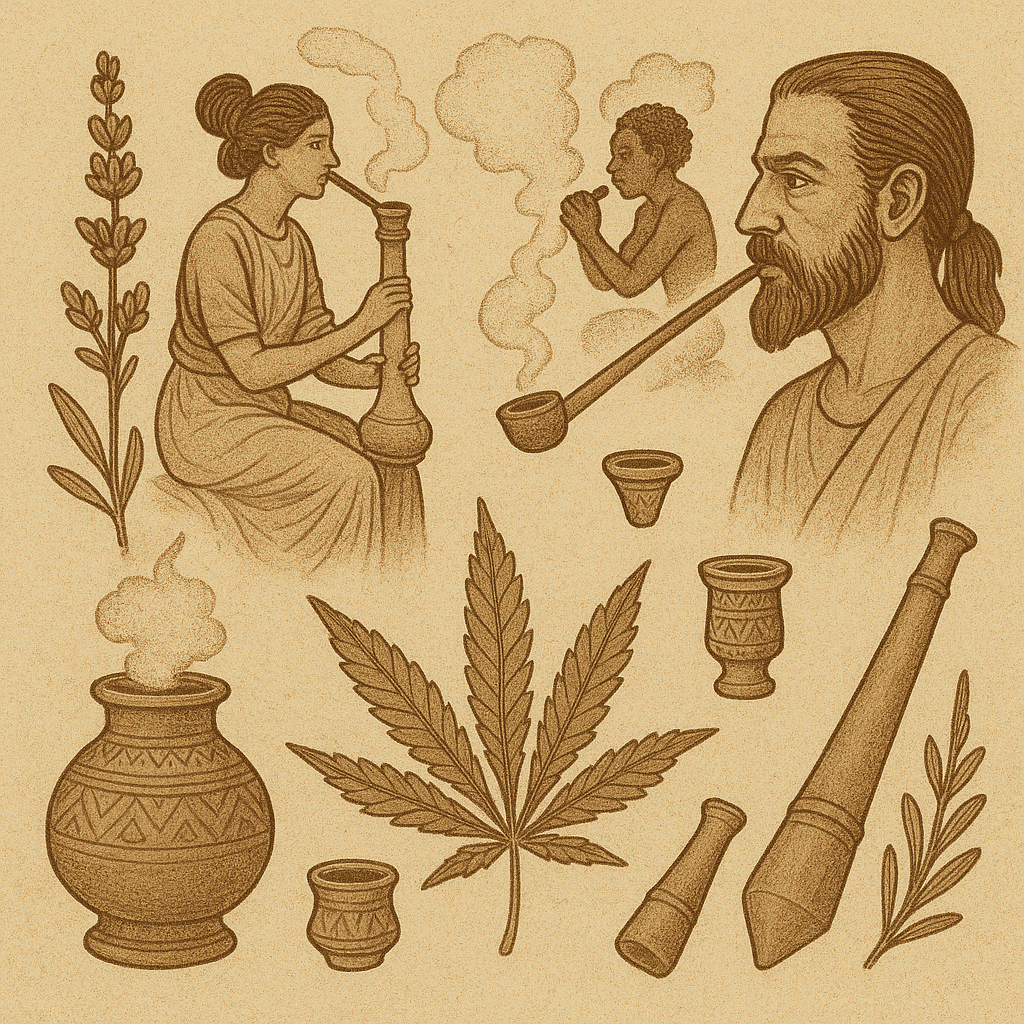
The discovery of ancient smoking tools and burnt herbs reveals that the use of tobacco alternatives has deep roots in human history. As early civilizations sought connection with the divine, healing from ailments, or simple relaxation, the ritual of smoking herbs became a shared human experience across continents. Modern interest in herbal smoking continues to echo these ancient traditions, reflecting a timeless bond between humans and the natural world.
The oldest recorded history of humanity smoking herbs reminds us that this practice is not a new trend but one deeply embedded in our collective past, shaped by cultural evolution and ancient wisdom.
Share this post on your socials.